

Feeder breakers improve mining efficiency by controlling material flow and reducing oversized material before it reaches downstream equipment. By combining feeding and crushing into one machine, a properly engineered feeder breaker helps reduce downtime, prevent conveyor overloads, and maintain consistent production.
In mining and bulk material handling, efficiency starts at the feed point. When material enters a system inconsistently, the effects can extend throughout the entire operation.
How Does a Feeder Breaker Work?
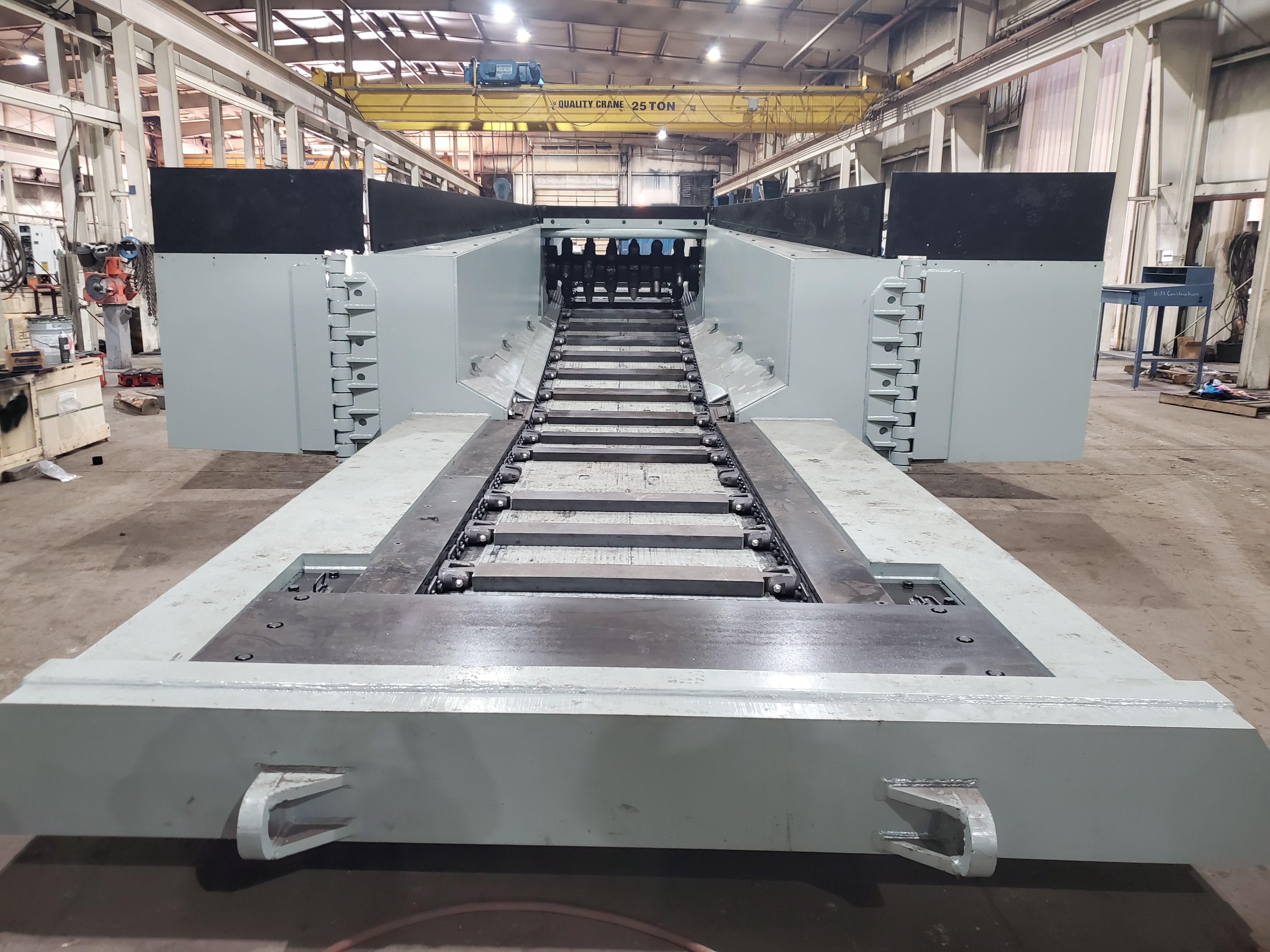
A feeder breaker combines two important functions: controlled feeding and material sizing.
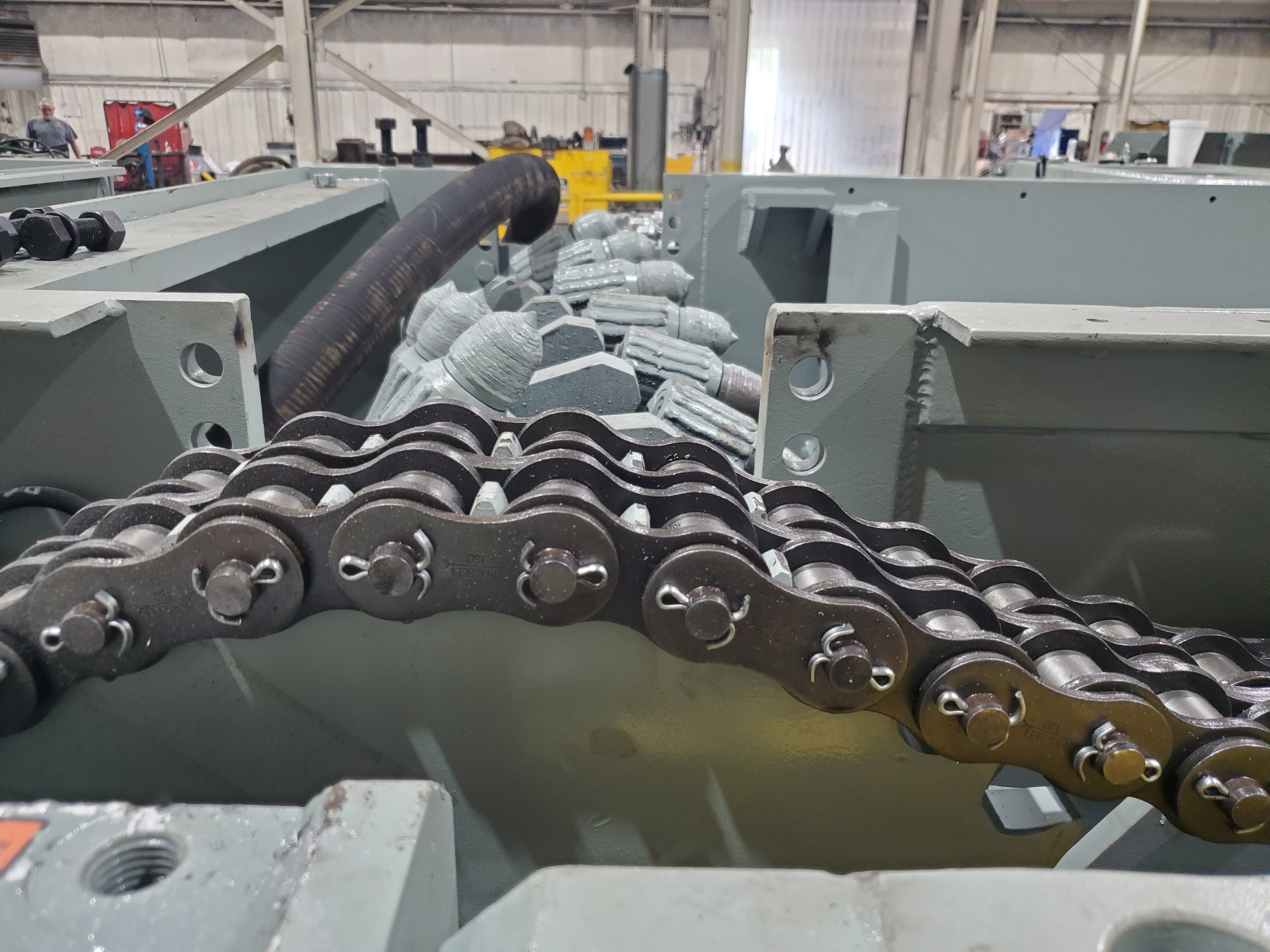
A heavy-duty chain conveyor moves material toward a rotating breaker roll, which reduces oversized pieces before discharging the material onto a belt conveyor system.
Combining these functions helps simplify material handling and maintain a steady flow of material.
Feeder breakers are commonly used in underground mining, surface mining, and bulk material handling applications where consistent feeding and primary size reduction are essential.
Why Does Consistent Material Flow Matter?
Inconsistent material flow can create problems throughout a mining operation.
When material enters a conveyor system too quickly or in unpredictable surges, operators may experience:
- Conveyor overloading
- Material buildup and blockages
- Increased equipment wear
- Production interruptions
- Unnecessary maintenance
A properly sized feeder breaker regulates material discharge to match downstream equipment capacity.
The goal isn’t simply to move more material. It’s to move material consistently and efficiently.
When feeding and conveying equipment work together, operations can maintain steadier production and reduce avoidable bottlenecks.
How Do Feeder Breakers Reduce Downtime?
Many material handling problems begin before material ever reaches the conveyor.
Oversized material, irregular loading, and excessive impact can contribute to equipment damage and unplanned shutdowns.
A properly engineered mining feeder breaker helps reduce these risks through:
- Controlled feeding: Reduces sudden material surges.
- Material sizing: Breaks oversized pieces into manageable sizes.
- Heavy-duty construction: Withstands demanding loading conditions.
- Wear protection: Helps protect components exposed to abrasive materials.
- Maintenance accessibility: Simplifies routine inspections and repairs.
Preventive maintenance remains essential. Regular inspections of chains, flights, breaker components, and wear surfaces help identify developing issues before they interrupt production.
How Does Custom Engineering Improve Feeder Breaker Performance?
Every mining operation handles different materials, production volumes, and operating conditions.
A feeder breaker designed for one application may not be the right solution for another.
Custom engineering considers:
- Material size, density, and abrasiveness
- Required production capacity
- Available installation space
- Conveyor system integration
- Maintenance requirements
At Cogar Manufacturing, we design and manufacture reclaim feeder breakers and underground feeder breakers for demanding applications.
Our equipment incorporates application-specific engineering, heavy-duty construction, and wear-resistant components to support long-term reliability.
Cogar also offers OEM manufacturing, equipment rebuilds, and 24/7 parts and service support to help customers keep their operations moving.
Learn more about our Parts & Service capabilities.
The Bottom Line
A properly engineered feeder breaker does more than crush and feed material. It helps protect downstream equipment, maintain consistent production, and reduce unnecessary operating costs.
Need a new feeder breaker or considering rebuilding an existing unit?
Contact Cogar Manufacturing to discuss your application and request a quote.
Phone: 540-922-8026
Contact us – Cogar Manufacturing
Frequently Asked Questions
What is the main purpose of a feeder breaker?
A feeder breaker controls material flow while reducing oversized pieces before they enter downstream equipment.
How does a feeder breaker protect conveyor systems?
It regulates discharge rates and material size, helping reduce conveyor overloads, blockages, and excessive wear.
What is the difference between a feeder breaker and a crusher?
A feeder breaker combines controlled feeding and crushing. A conventional crusher primarily reduces material size and typically requires separate feeding equipment.
Can feeder breakers handle abrasive materials?
Yes. Feeder breakers can be engineered with heavy-duty components and abrasion-resistant wear protection for demanding applications.
Can an existing feeder breaker be rebuilt?
Yes. Depending on its structural and mechanical condition, rebuilding may extend equipment life and provide a cost-effective alternative to replacement.
About the Author
John Cogar | President, Cogar Manufacturing
John Cogar leads Cogar Manufacturing, a family-owned company with roots dating back to 1979. Under his leadership, Cogar has expanded into custom OEM equipment manufacturing, engineering, rebuilds, and industrial service for mining and bulk material handling operations.